Read This Before You Order a Yard or Sign Off a Grade

Disclaimer

The dirt-calculator.com dirt calculator produces planning estimates built on the dimensions, material density, buffer, and prices you enter. These are not an engineered grading plan, a stamped document, or a warranty. Review these points to understand the limits of the tool and your responsibilities before the first yard is ordered β€” or the first quote is signed.

Last updated: October 20269 key pointsVolume, weight & site-safety scope

The One-Sentence Version

The math is exact for the site you describe β€” so measure the real dig, keep the supplier's density ticket and the local requirements in the loop, plan for compaction, and let a qualified contractor make the final call.

An Unverified Order Is a Short Load Waiting to Happen

Fill is ordered once and trusted for the life of the grade β€” an order placed on a one-point depth, a borrowed density, or a zero buffer can sink the finish grade, overload the truck, or aim the drainage at the foundation. Estimates are a starting point: verify the measurements, confirm the material and its density, and check the applicable requirements before you order or sign. If any doubt exists, stop and consult a qualified excavation contractor or your local building department.

Nine Things to Know Before You Rely on a Number

Every point is stated in full β€” no clicking required. Each one shapes how the results should be used.

01

Results Are Planning Estimates

Every cubic-yard total, tonnage figure, bag count, truckload count, coverage row, and cost line on dirt-calculator.com is computed from the dimensions, material, buffer, and prices you enter. These outputs are planning figures to help you size an order, compare supplier quotes, or sanity-check a supplier's takeoff. They are not an engineered grading plan, a stamped specification, or a warranty of any kind.
02

Not a Substitute for Professionals

This tool does not replace a licensed excavation or grading contractor, a geotechnical or civil engineer, or the authority having jurisdiction over your work. Decisions about engineered fill selection, lift thickness and compaction testing, drainage and slope design, bearing under slabs and footings, and permit-triggering earthwork are professional and regulatory decisions the calculator does not make. When a project involves structures, retaining edges, deep cuts, or permit work β€” retain qualified people who can design, place, and sign off.

03

Specifications and Local Rules Govern

The calculator uses standard geometry and published planning densities, but the controlling documents are physical: the geotechnical report for your parcel, the engineered fill specification for the job, the supplier's certified density and scale ticket, and the grading and excavation rules your jurisdiction adopts. Where the tool and the local requirements disagree, the local requirements win β€” every time and by design.

04

Output Is Only as Good as Your Input

A depth read once at the shallow corner, a wedge entered as a full rectangle, a trench whose top and base widths got swapped, a ring whose inner diameter exceeds the outer β€” each of these moves the answer, sometimes doubling it. Measure deliberately, read depth on a grid across the dig, and remember that a computed volume is a hypothesis the site should confirm before the truck is booked.

05

Sites Hide Conditions You Cannot Calculate

No volume calculation can see what the excavator will see: buried stumps and demolition debris, a layer of old uncontrolled fill, the topsoil strip nobody measured, groundwater that turns a dry dig into a wet one, or the settlement of the soil the new fill sits on. A calculation assumes the excavation is clean, bounded, and as described. Real sites add voids, organics, and soft spots the calculator never modeled. Plan a verification step β€” and let the measured dig, not the estimate, have the final word on the order.

06

Loose Yards Are Not Compacted Yards

A truck delivers loose volume; the project consumes compacted volume, and the two are never the same number. Clay-heavy fill can shrink a fifth to a quarter from the delivered pile, and even sandy fill tightens measurably. The 10/15/20/25% buffer presets are planning guidance, not a compaction specification β€” an order placed with no buffer is a bet that nothing will shrink, and that bet loses often enough to keep second-delivery fees in business.

07

Weight, Not Volume, Limits the Truck

Volume decides how much space the order fills; weight decides whether the truck may legally carry it. A cubic yard of screened topsoil runs about 1.3 tons while clay-heavy fill runs 1.72 β€” a ten-yard single-axle load of clay approaches seventeen tons before the truck's own weight, and a half-ton pickup heaped with two and a half yards of structural fill is hauling well past its rating. Confirm payload, axle limits, and the supplier's maximum load before the delivery is scheduled.

08

Digging Is Regulated and Dangerous

Every dig has rules: buried lines are located free of charge with an 811 call placed a few days ahead, trench walls deeper than a few feet can collapse without shoring, and a finished grade that tilts toward the foundation quietly sends every future runoff event against the house. The calculator's arithmetic is desk work β€” excavation is not. Hand deep cuts, trenches, and work near structures to insured crews with the right equipment.

09

No Warranty β€” Use at Your Own Risk

dirt-calculator.com is provided "as is" without warranties of accuracy, fitness for a particular purpose, or merchantability. Always verify volumes, densities, and prices against the supplier's quote and scale ticket, and against any specification that governs the work. Follow the estimator's rule: verify the plan once, order once, and never let an unverified number become a purchase order or a signed-off grade.

Jobsite Reality

Three Ways Dirt Estimates Go Wrong

The arithmetic on this site is exact for the site you describe. These are the places where the description and the real ground drift apart β€” each one fixable before you order, expensive once the truck pulls away.

The Zero-Buffer Order

A homeowner computes a pad at exactly 22 cubic yards, orders 22, and watches clay-heavy fill compact a fifth of itself away β€” the grade lands four inches low, and the make-up load carries a second delivery fee that exceeds what the 20% buffer would have added. The buffer preset exists to be used, not admired.

The Wrong-Density Ticket

A supplier quotes by the ton, the buyer estimates by the yard using the 1.3 t/yd screened-topsoil figure, and the truck that arrives carries 1.72 t/yd clay fill β€” the tonnage and the price both land a third higher than budgeted, and the pickup sent to fetch the overflow is suddenly over its rating. Match the density to the material actually being delivered.

The One-Point Depth

The dig reads 6 inches at the shallow corner and 14 at the far fence, but 6 is what gets entered β€” the order covers barely half the real need. Depth on a sloped or rutted site belongs on a grid of readings, averaged honestly, with the wedge shape used whenever one edge tapers to grade.

Responsibility Matrix

Who Is Responsible for What in a Dirt Order

A quick breakdown of where the calculator’s job ends, what specifications and qualified professionals must decide, and what you must verify before the truck is booked or the grade is signed off.

The Calculator Provides

  • Volumes for six shapes β€” rectangle, wedge, circle, triangle, ring, and trench β€” summed across multiple areas
  • Weight in tons from the 11-material density table, loose delivered state
  • Compaction buffer presets at 10, 15, 20, and 25 percent
  • Truckload and retail-bag counts for the order quantity
  • Cost totals from the $/yd price you enter, plus a ZIP-based delivery estimate
  • Reference values drawn from published estimating practice

Professionals & Authorities Decide

  • Engineered fill specifications, lift thickness, and compaction testing
  • Grading, drainage, and slope-stability design near structures
  • Bearing and settlement questions under slabs, footings, and pavers
  • Permit review and code interpretation for your jurisdiction
  • Utility clearance through 811 and safe excavation practice
  • Written specifications signed by the responsible party

You Must Verify Before You Order

  • The actual site measurements, with depth read on a grid
  • The identity and certified density of the material the supplier delivers
  • A clear agreement with the supplier on loose versus compacted volume
  • Truck access, payload limits, and where a loaded truck may drive
  • That the finished grade falls away from every foundation
  • The 811 ticket, cleared before any digging starts
A Cautionary Example

When β€œWe Ordered the Right Number” Is Not the Right Answer

A homeowner regrades a low side yard β€” forty by twelve feet β€” measuring depth once at the shallow end and entering six inches for the whole run. The calculator returns the base volume, the order goes out with no buffer, and the clay-heavy fill gets dumped against the foundation wall to save wheelbarrow trips. The material compacts by a fifth, the finished grade lands low and flat toward the house, and a season of irrigation and settling turns the swale into a channel pointed at the basement wall. The yardage was correct for the inputs; the inputs never saw the yard.

The calculator gives you honest arithmetic about the numbers you enter β€” which is exactly why depth belongs on a grid, the buffer exists to absorb compaction, and the last decision β€” where the water goes next β€” belongs to whoever stands on the finished grade. Use the tool to get into the right conversation with your contractor, not to end it.

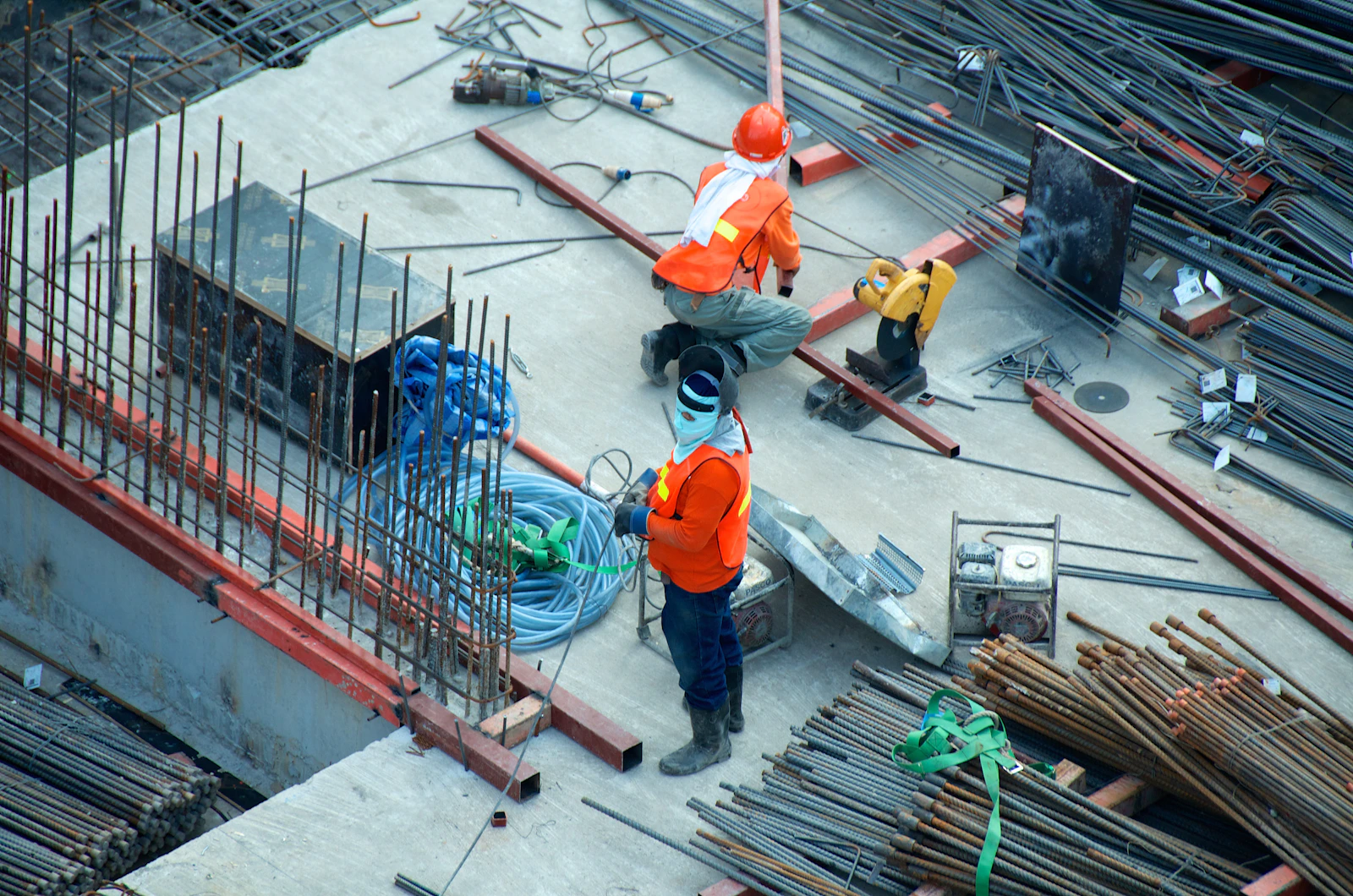
An excavator placing fill on a graded construction sitePlanning estimates, not stamped specsPhoto: Unsplash

Where the Line Falls

The same calculation can be responsible planning or a reckless shortcut β€” the difference is what it is used to decide. Two lists, no ambiguity.

What the Tools Are For
  • Estimating an order before you request supplier quotes
  • Comparing bids against a defensible yardage figure
  • Sanity-checking a supplier's tonnage or load count
  • Planning truckloads, bag runs, and budget for a weekend project
  • Preparing defensible figures before a conversation with a contractor or engineer
What the Tools Are Not For
  • Ordering engineered or structural fill from an unverified calculator number
  • Treating a buffered volume as a guarantee against settlement or shrinkage
  • Skipping the supplier's density ticket because the estimate looks close
  • Approving grading or drainage changes near a foundation from a calculator
  • Digging without an 811 locate because the trench looked shallow

Read the columns together: every sanctioned use has a misuse that looks almost identical right up to the point where someone relies on the number instead of verifying it against the tape measure, the density ticket, and the local requirements.

Your Acknowledgement

By using dirt-calculator.com, you acknowledge that you have read, understood, and agree to this disclaimer. The dirt calculator β€” volume, tonnage, bag, truckload, coverage, and cost estimates β€” is provided for planning and educational purposes only. Dirt Calculator is not liable for short or surplus loads, wrong-density orders, settlement or compaction shortfalls, overloaded trucks or driveway damage, utility strikes, trench or excavation injuries, drainage toward foundations, failed inspections, or costs that differ from projections arising from its use. When in doubt, verify against local requirements and a qualified excavation contractor. If you do not agree, please do not use the tools.